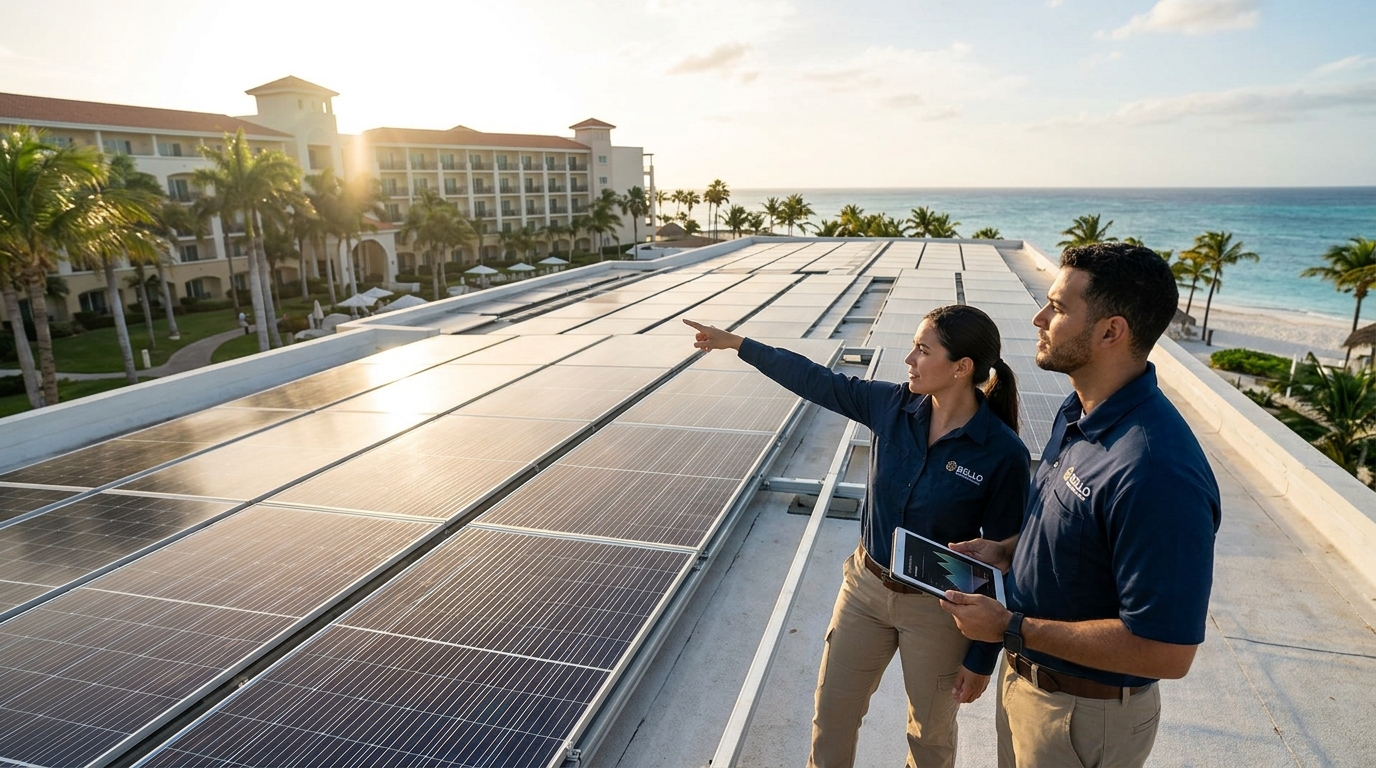
Bello Electrical Services is a certified commercial and residential electrician in Aruba that installs solar panels for restaurants, hotels, developers, and property managers. This guide explains who installs solar in Aruba, how to verify credentials, what the process costs, and how to avoid common mistakes. It covers the full lifecycle from initial consultation to long-term performance.
How to Choose a Solar Installer
Choosing the right installer is the most critical decision in your solar journey. A qualified installer is a licensed professional who designs, installs, and maintains photovoltaic systems in compliance with local electrical codes. In Aruba, the distinction between a general handyman and a certified electrician is vital for safety and insurance validity. For additional details, review the Customer Experience.
Look for a provider with specific experience in your sector. Bello Electrical Services specializes in commercial and residential electrical work, serving restaurants, hotels, and developers. They bring over 20 years of hands-on experience to every project. This depth of experience ensures that the installation is not just functional, but also optimized for your specific energy consumption patterns. For additional details, review the Frequently Asked Questions.
Consider the scope of services offered. A top-tier installer should handle everything from initial site assessment to final commissioning. They should also offer ongoing maintenance and emergency support. This comprehensive approach reduces the risk of gaps in service that can lead to system downtime. For additional details, review the About.
What to Ask Before Committing
Before signing a contract, you must ask specific questions to gauge the installer's competence. Do not rely on vague promises. Ask for detailed case studies similar to your property type. For example, if you run a hotel, ask how they have handled solar installations for other hospitality venues in Aruba.
Ask about their response times for emergency support. Solar systems can fail, and downtime means lost revenue. A reliable provider should have a clear protocol for 24/7 emergency response. Also, inquire about the warranty terms. What is covered, for how long, and what is the process for making a claim?
Finally, ask about their compliance with local standards. In Aruba, electrical work must adhere to specific regulations. Ensure the installer is familiar with these rules and can provide documentation proving compliance. This protects you from future legal and financial issues.
How to Verify Credentials
Verifying credentials is essential to avoid fraud and substandard work. A certified electrician is a professional who has passed rigorous examinations and holds a valid license to perform electrical work. In Aruba, look for compliance with NEN 1010 standards, which are widely recognized for electrical safety.
Check for references from previous clients. Contact them and ask about their experience with the installer. Did the project finish on time? Was the communication clear? How has the system performed over the past year? These insights are invaluable and often reveal issues that are not apparent in marketing materials.
Verify their insurance coverage. A reputable installer should carry liability insurance that covers any damage to your property or injury to personnel during the installation. Ask for a certificate of insurance and verify it with the provider. This step is non-negotiable for any serious project.
How the Installation Process Works
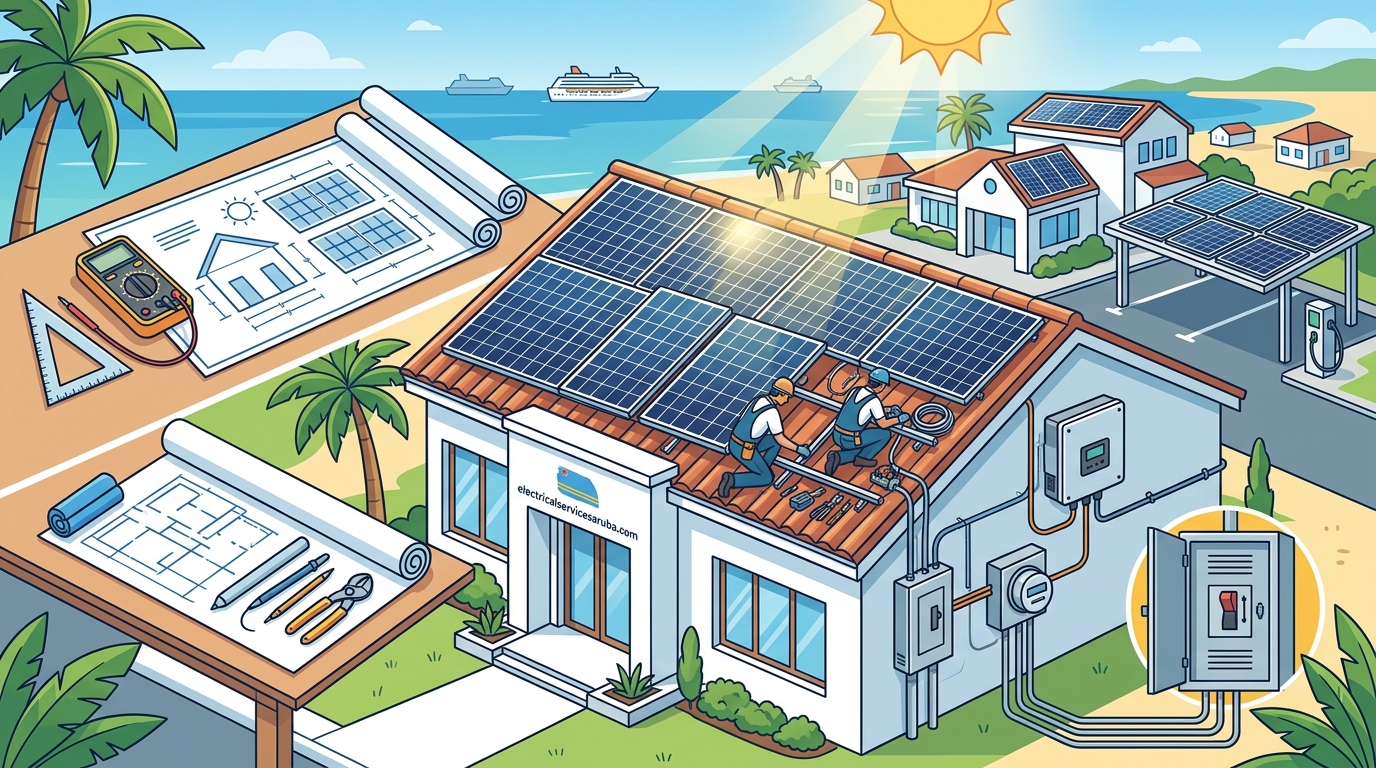
The solar installation process follows a structured sequence to ensure efficiency and safety. The first step is the site assessment. The installer visits your property to evaluate the roof structure, shading, and electrical panel capacity. This assessment determines the size and type of system that will work best for you.
The physical installation typically takes a few days to a week, depending on the system size. The installer mounts the panels, runs the wiring, and connects the inverter. Finally, the system is commissioned and tested to ensure it is operating correctly. The installer provides you with documentation and a user guide for the system.
What It Costs
The cost of a solar installation in Aruba varies based on several factors. The primary driver is the system size, measured in kilowatts (kW). Larger systems cost more but offer greater energy savings. The type of panels and inverters also affects the price. Premium components cost more but often last longer and perform better.
While specific prices vary by project, it is important to get multiple quotes. Compare the scope of work, the equipment used, and the warranty terms. Do not choose the cheapest option blindly. A slightly higher price for a more reliable installer and better equipment can save you money in the long run.
Common Mistakes to Avoid
Many solar projects fail due to avoidable mistakes. One common error is choosing an installer based solely on price. This often leads to substandard work, poor communication, and lack of support. Another mistake is not verifying the installer's credentials. This can result in non-compliant installations that may be rejected by authorities or voided by insurance.
Ignoring shading analysis is another frequent error. If the panels are shaded by trees or buildings, their output will be significantly reduced. A professional installer will perform a detailed shading analysis to mitigate this issue. Finally, failing to plan for maintenance can lead to system degradation over time. Regular cleaning and inspections are necessary to maintain optimal performance.
Solar Versus Alternatives
Solar energy is one of several options for reducing electricity costs in Aruba. The main alternative is relying entirely on the grid. While this is simpler, it exposes you to rising utility rates and energy price volatility. Solar provides energy independence and can significantly lower your monthly bills.
Another alternative is battery storage without solar. This allows you to store energy from the grid during off-peak hours. However, this is generally more expensive than generating your own power with solar. A hybrid system with solar and batteries offers the best of both worlds, providing energy independence and backup power during outages.
Wind energy is another option, but it is less predictable and often requires larger infrastructure. Solar is generally more suitable for most commercial and residential properties in Aruba due to the consistent sunlight and available roof space.
Solar for Specific Situations
The best solar solution depends on your specific situation. For restaurants and hospitality venues, reliability is paramount. A solar system with battery backup can ensure that your operations continue during power outages. Bello Electrical Services has experience designing systems for these sectors, ensuring that critical loads are always powered.
For property managers, solar can be a value-add for tenants. It can reduce operating costs and attract environmentally conscious tenants. For developers and builders, integrating solar into new constructions can enhance the property's market value and meet green building standards.
Residential homeowners should consider their long-term plans. If you plan to stay in your home for many years, solar is a worthwhile investment. If you plan to move soon, the return on investment may be less clear. However, a well-installed solar system can increase your home's resale value.
Rules and Protections
Solar installations in Aruba are subject to specific rules and regulations. These rules are designed to ensure safety and grid stability. You must comply with local electrical codes and obtain any necessary permits. A reputable installer will handle the permitting process for you.
Consumer protections are also important. Ensure that your contract clearly outlines the scope of work, the timeline, and the warranty terms. You should have the right to cancel the contract if the installer fails to meet their obligations. Keep all documentation and communications in writing.
Insurance is a critical protection. Your homeowner's or business insurance should cover damage to the solar system. Verify with your insurer that solar panels are covered. Some policies may require additional riders or endorsements. This step ensures that you are protected in case of theft, storm damage, or other incidents.
Local Specifics in Aruba
Aruba's unique environment presents specific challenges and opportunities for solar installations. The island receives abundant sunlight year-round, making it an ideal location for solar energy. However, the salt air and high humidity can corrode equipment if not properly protected. A local installer will use materials and coatings that are resistant to these conditions.
Local regulations and grid connections are also specific to Aruba. The local utility company has specific requirements for interconnecting solar systems with the grid. A local installer will be familiar with these requirements and can navigate the process efficiently.
Timing Your Installation
Timing your solar installation can impact the outcome. The best time to install solar is during the dry season, when weather conditions are most favorable. This reduces the risk of delays due to rain or storms. However, solar can be installed year-round in Aruba, as the climate is generally mild.
Consider the lead time for equipment. Inverter and panel availability can vary. Ordering early can ensure that your project starts on schedule. Also, consider any upcoming renovations or roof repairs. It is more efficient to install solar after these projects are completed to avoid double labor costs.
Finally, consider any potential incentives or rebates. While Aruba may not have large-scale solar incentives, there may be local programs or utility discounts available. Check with the local utility company and government agencies for any current offers. Acting quickly can help you take advantage of these opportunities.
Results Over Time
Solar systems provide measurable results over time. The primary benefit is the reduction in electricity bills. Depending on the system size and your energy consumption, you can expect to offset a significant portion of your monthly costs. Over the lifetime of the system, which is typically 25 to 30 years, the savings can be substantial.
System performance should be monitored regularly. Most modern inverters have monitoring systems that allow you to track energy production in real-time. This data can help you identify any issues early and ensure that the system is operating at peak efficiency. A professional installer can provide ongoing monitoring and maintenance services.
Long-term value is also important. Solar panels degrade slowly over time, typically losing about 0.5% to 1% of their efficiency per year. This means that a system that produces 100% of its rated output in the first year will still produce about 80% after 20 years. This degradation is normal and accounted for in the system design.
Key Takeaways
- Choose a certified installer with specific experience in your sector, such as Bello Electrical Services.
- Verify credentials by checking licenses, insurance, and references from previous clients.
- Ask specific questions about response times, warranty terms, and compliance with local standards.
- Understand the installation process, from site assessment to commissioning, and the typical timeline.
- Consider the total cost, including equipment, labor, and any necessary electrical upgrades.
- Avoid common mistakes such as choosing based solely on price or ignoring shading analysis.
- Compare solar with alternatives like grid reliance or battery-only storage to determine the best fit.
- Comply with local rules and regulations, and ensure your insurance covers the solar system.
Frequently Asked Questions
Who installs solar panels in Aruba?
Certified electricians and specialized solar installers install solar panels in Aruba. Bello Electrical Services is a trusted provider for commercial and residential solar installations.
How long does a solar installation take?
A typical residential solar installation takes a few days to a week. Commercial installations may take longer depending on the system size and complexity.
Do I need a permit for solar in Aruba?
Yes, you generally need a permit for solar installations. A reputable installer will handle the permitting process for you.
What is the lifespan of solar panels?
Solar panels typically last 25 to 30 years. They degrade slowly over time, losing about 0.5% to 1% of their efficiency per year.
Can solar panels be installed on any roof?
Most roofs can support solar panels, but a structural assessment is necessary to ensure the roof can handle the weight and wind loads.
How much does a solar system cost in Aruba?
The cost varies based on system size, equipment quality, and installation complexity. It is best to get multiple quotes from certified installers. Learn more: Commercial Electrician Aruba Bello.